[Complete guide to color transfer on leather products] Thorough explanation from causes to first aid and complete removal
When color transfer occurs on your precious leather products, in most cases, if you know how to deal with it properly, you can remove it completely and restore its original beauty. In this article, based on the knowledge of leather material experts, we will thoroughly explain the mechanism by which color transfer occurs on leather products, effective methods for removing color transfer depending on the material and situation, and reliable preventive measures. This is a must-read guide to keep your precious leather items looking beautiful for a long time, as it covers a wide range of topics, from first-aid measures to deal with sudden color transfer problems to long-term leather care methods.
To enjoy leather products for a long time
crazy horse leather shoulder bag
Authentic leather bag to enjoy aging. The texture deepens as you use it, and proper care prevents color transfer, allowing you to continue using it beautifully for a long time.
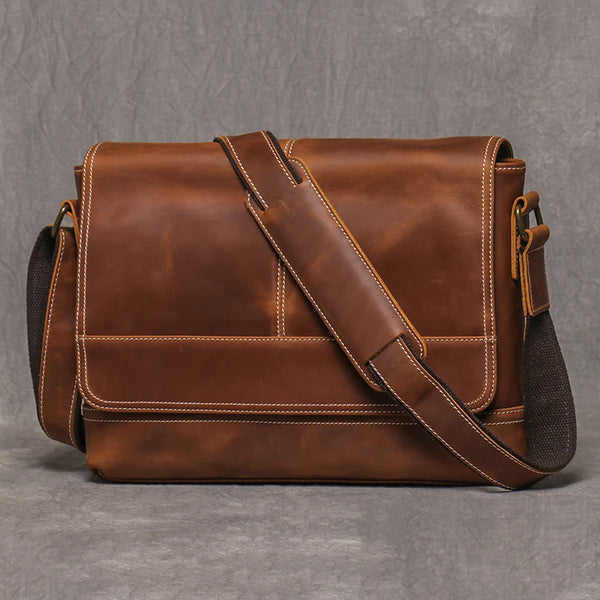
Table of contents
- 1. Mechanism of color transfer on leather products
- 2. Color transfer characteristics and countermeasures for each leather material
- 3. A step-by-step approach to removing color stains
- 4. Effective household products and specialized cleaners to remove color transfer
- 5. Color transfer prevention techniques for different leather products practiced by professionals
- 6. Leather care after color transfer - Preventing recurrence and restoring beauty
- 7. Frequently asked questions and solutions
- 8. Summary: To prevent color transfer problems on leather products
1. Mechanism of color transfer on leather products
Color transfer on leather products may seem to occur accidentally, but there is actually a clear chemical and physical mechanism. Understanding why color transfer occurs allows for effective prevention and treatment.
1-1. Chemical principles of color transfer
The main cause of color transfer on leather products is a chemical reaction called ``dye solubilization and migration.'' The dyes used to dye leather includewater soluble dyeandfat soluble dyeWhen they come into contact with water or oil, they may dissolve again and adhere to other materials.
The main causes of color transfer on leather products are:
① Dye elution due to humidity and sweat
Many of the dyes used in leather products have the property of reactivating when exposed to moisture. The risk of color transfer is particularly high in the following situations:
- Hot and humid environment: During humid summer or rainy days, the amount of water contained in the leather increases, making it easier for dyes to dissolve.
- contact with sweat: Human sweat contains minerals and salts, which act as catalysts to dissolve dyes. especiallyrucksackThe shoulder strap part andshoulder bagColor transfer tends to occur on parts that come into direct contact with the skin, such as straps.
② Physical transfer of pigment due to friction
Dye particles on the leather surface can physically peel off and adhere to other materials when subjected to strong friction:
- Friction with clothing: In particular, if light-colored clothing and dark-colored leather products come into contact for a long time, color transfer may occur due to friction.crazy horse leatherProducts require special care in the initial stages due to their unique finishing processes.
- Wear from daily use: The surface of frequently used parts (handles, edges, etc.) gradually wears away, exposing the pigment and making it easier to transfer.
③ Insufficient dye fixation
The susceptibility to color transfer also varies greatly depending on the dyeing technique used in the manufacturing process and the quality of the materials:
- new leather products: New leather products, especially those with dark colors, may not have the dye completely fixed, and color transfer tends to occur easily.
- Differences depending on the type of leather: The permeability of dyes varies depending on the type of leather. For example, vegetable tanned leather may have a weaker retention of dyes than chrome-tanned leather.
- Differences in finishing treatment: Leather products with a protective coating on the surface tend to have relatively little color transfer.
Leather expert advice
"The first few weeks of purchasing a dark-colored leather product are particularly prone to color transfer. Spraying the product lightly with a specialized leather waterproofing spray before use and allowing it to dry for 24 hours will fix any excess dye and greatly reduce the risk of color transfer."
1-2. Risk of color transfer by type of leather product
The frequency and degree of color transfer will vary depending on the type of leather product. Below, we will explain the relationship between major leather products and the risk of color transfer.
| type of leather | Color transfer risk | Features |
|---|---|---|
| crazy horse leather | Medium to high | Because wax and oil are used for surface treatment, color transfer is more likely in the initial stage, especially when the temperature rises. However, the more you use it, the more stable it becomes. |
| Aniline leather (genuine leather) | high | The dye penetrates deep into the leather, making it easy for color to transfer due to moisture or friction. Be especially careful with brightly colored clothing. |
| semi-aniline leather | Medium | Because there is a thin coating on the surface, there is less color transfer than aniline leather. |
| pigmented leather | low | Since the surface is coated with pigment, color transfer is relatively unlikely. |
| PU leather | low to medium | Because it is synthetic leather, high-quality products are resistant to color transfer, but low-quality products may have dyes remaining on the surface and color transfer. |
| canvas mixed leather products | Leather part: medium Canvas part: low |
Color transfer from the leather part to the canvas part may occur. Pay particular attention to the combination of dark leather and light canvas. |
By understanding high-risk situations, you can prevent color transfer from occurring and take appropriate measures. especially dark colorscrazy horse leather productsYaGenuine leather productsWhen using , it is important to waterproof it at the initial stage and take proper care of it.
2. Color transfer characteristics and countermeasures for each leather material
The characteristics of color transfer and the best way to deal with it vary depending on the type and finish of the leather product. Here, we will explain the characteristics of color transfer and effective countermeasures for each major leather material.
2-1. Measures against color transfer of crazy horse leather
crazy horse leatheris popular as a high-quality leather that allows you to enjoy its unique texture and aging, but due to its special processing method, it also has unique characteristics regarding color transfer.
Color transfer characteristics of crazy horse leather
- Effects of wax processing:Due to the special process of impregnating the surface with wax and oil, there is a possibility that the pigment will melt together with the wax, especially when new or when the temperature rises.
- Pull-up effect and color transfer: The ``pull-up effect'' that is unique to Crazy Horse leather, where the color changes brightly when rubbed, means that the dye on the surface is easy to move, which can cause color transfer.
- Stabilization by use: The more you use it, the more the wax and dye will settle on the leather, and the risk of color transfer will gradually decrease.
How to deal with color transfer on crazy horse leather
- Treatment when new: Before use, gently wipe the entire surface with a dry soft cloth to remove excess wax and dye.
- Use of special conditioner: By using a conditioner for Crazy Horse leather, you can stabilize the wax on the surface and prevent color transfer.
- When color transfer occurs: An effective method is to lightly rub with a white eraser and then gently wipe with a special cleaner. If you rub too hard, the color will brighten due to the pull-up effect, so be careful with the amount of pressure you use.
especiallyCRAZY HORSE LEATHER CROSSBODY BAGSince it often comes into contact with clothing, regular care is important to prevent color transfer.
2-2. Measures against color transfer of genuine leather products
Genuine leather productsThe color transfer characteristics vary greatly depending on the finishing method.
Aniline leather (dye finish)
- Features: The dye penetrates into the interior of the leather, giving it an attractive natural texture, but it is easy to transfer color as there is no surface protective layer.
-
How to deal with it:
- Apply a special leather protection cream regularly to promote the fixation of the pigment.
- If color transfer occurs, gently wipe with a neutral leather cleaner, then finish with a protective cream.
- Ideally, you should avoid contact with brightly colored clothing and refrain from using it during rainy weather.
Semi-aniline leather/pigment finish leather
- Features: Due to the protective coating on the surface, color transfer is more difficult than with aniline leather.
-
How to deal with it:
- You can prevent color transfer by regularly cleaning the surface with a leather cleaner and applying a protective agent.
- If color transfer occurs, it can often be removed relatively easily with a leather-specific cleaner.
Genuine leather business bagThere is a risk of color transfer, especially to dark-colored suits, so regular care is important.
2-3. Measures against color transfer of PU leather
PU leather (synthetic leather)Generally, the risk of color transfer is lower than that of genuine leather, but care must be taken depending on the quality.
- Features: Since it is a synthetic material, there is generally little color transfer, but with low-quality products, the dye on the surface may be unstable and color transfer may occur.
-
How to deal with it:
- Gently wipe the surface with soapy water or PU leather cleaner to remove excess dye and dirt.
- If color transfer occurs, it is effective to gently wipe it off with a diluted solution of neutral detergent.
- Avoid using alcohol or strong solvents as they can damage the surface.
especiallyPU leather baghas a good balance between price and quality and can be used for a long time with proper care.
2-4. Measures against color transfer of canvas mixed leather products
Canvas and leather combination productsPlease be careful about color transfer between different materials.
- Features: Color often transfers from the leather part to the canvas part, and the risk is particularly high when combining dark-colored leather and light-colored canvas.
-
How to deal with it:
- Immediately after purchase, apply a special protective spray to the leather part to prevent color transfer to the canvas part.
- If the color transfers to the canvas, a fabric stain remover or baking soda paste may be effective.
- Be careful not to get it wet from rain or sweat as much as possible, and if it gets wet, immediately absorb the moisture with a dry cloth.
canvas mixed backpackSince it is often used outdoors, pre-treatment with a waterproofing spray is especially important.
Caution
We recommend testing any leather product on an inconspicuous area before treating any color stains. Especially strong cleaners and solvents can strip the color of the leather itself.
3. A step-by-step approach to removing color stains
When color transfer occurs on leather products, it is important to deal with it step by step without panicking. Here we will introduce the most effective and least damaging procedure to the leather.
3-1. Immediate response: first aid
Treating color stains as soon as you discover them increases your chances of completely removing them.
Step 1: Dealing with dry conditions
- Gently wipe with a clean, dry white cloth before wetting with water or solvent.
- At this stage, you may be able to remove any dye that has simply adhered to the surface.
- Be careful not to rub too hard. Color transfer may spread.
Step 2: Using a white eraser
- Use a soft white eraser (for stationery) to gently rub the areas where the color transfers.
- The friction of the eraser may adsorb and remove pigments on the surface.
- especiallycrazy horse leatherIt is effective on pigment-finished leather.
Step 3: Use of special cleaner
- Apply a small amount of leather cleaner to a clean cloth (do not apply directly to the leather).
- Gently wipe in a circular motion, focusing on the areas where the color transfers.
- Wipe outwards gradually, being careful not to spread the color transfer.
3-2. Full-scale cleaning: approach by material
If the stain cannot be completely removed with emergency measures, we will perform a full-scale cleaning tailored to the type of leather.
For crazy horse leather
- Use a specialized Crazy Horse leather cleaner or prepare a diluted solution of mild leather soap.
- Dip a soft cloth into the solution and wring it out.
- Wipe the affected area with a damp cloth and leave it for about 5 minutes.
- Wipe gently with another dry cloth.
- After it is completely dry, apply a Crazy Horse leather conditioner to restore its original texture.
crazy horse leather shoulder bagHigh-quality leather products such as these require special care.
For aniline leather (genuine leather)
- Use a cleaner specifically made for aniline leather.
- After testing on an inconspicuous area, apply a small amount directly to the affected area.
- Leave for 2-3 minutes to dissolve the dye.
- Wipe gently with a clean cloth.
- Repeat as necessary, but be careful not to get the leather too wet.
- After drying, apply a protective cream for aniline leather.
genuine leather crossbody bagetc. can be used for a longer time with this kind of careful care.
For PU leather
- Dilute a small amount of neutral detergent with lukewarm water.
- Lightly dampen a soft sponge or cloth with the solution and gently wipe the affected area.
- Wipe off the detergent with a cloth dampened with clean water.
- Wipe off all moisture with a dry cloth.
- Applying a PU leather protectant will improve water repellency and prevent future color transfer.
For canvas mixed products
- If the color transfers to the canvas, try a fabric stain remover first.
- Another effective method is to mix baking soda and water to form a paste, apply it to the affected area, and leave it for 15 minutes.
- Brush lightly with a dry brush, then wipe away any residue with a damp cloth.
- Let it dry completely before resuming use.
canvas mixed rucksackBecause it is often used actively, it requires regular care.
3-3. Dealing with stubborn color transfer
Stubborn color stains that cannot be removed with normal methods require stronger methods, but care must be taken as this may damage the leather.
Note: Please try the following method as a last resort
These methods can change the color and texture of the leather. Be sure to test on an inconspicuous area before use.
- Special stain remover: Use a stain remover specifically made for leather. Always follow the manufacturer's instructions and start with a small amount.
- absolute alcohol: Apply a small amount of absolute alcohol to a cotton swab and lightly touch the color transfer area. Alcohol dries the leather, so be sure to apply a conditioner after treatment.
- Request to specialty store: For expensive leather products, it is safest to have them repaired by a specialist leather repair shop. Experts will treat the type of leather and its condition in the best way.
professional techniques
"In the case of stubborn color transfer, instead of trying to completely remove it all at once, you can minimize the damage to the leather by thinning it little by little over several times. After each treatment, be sure to dry the leather completely and moisturize with conditioner before applying the next treatment."
If you are unable to completely remove the stain after trying these step-by-step approaches, we recommend contacting a professional leather repair shop. Additionally, if your leather product has experienced color transfer, you can prevent it from happening again by taking the precautions described in the next section.
Leather products recommended for everyday use
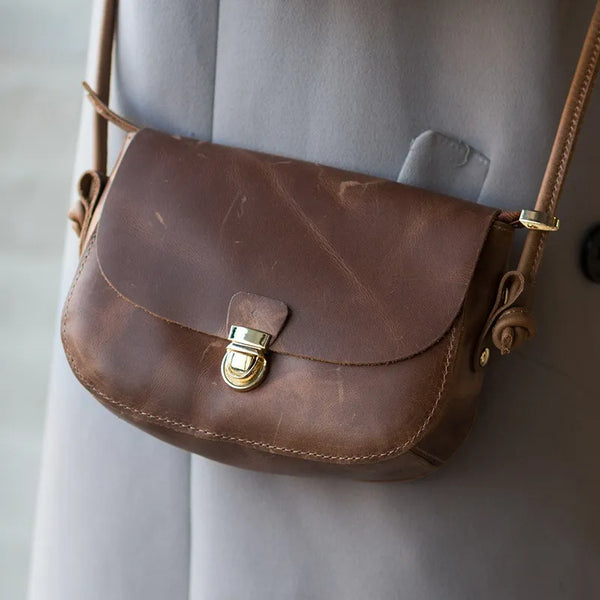
crazy horse leather mini shoulder bag
A compact yet practical design that can securely store your daily necessities. This is a product that you can use for a long time while enjoying the change over time.
4. Effective household products and specialized cleaners to remove color transfer
In order to deal with color transfer on leather products, it is important to choose the appropriate cleaning agent and tools. Here we will introduce effective color stain removal items, from household products to professional cleaners.
4-1. How to try using products you have at home
In emergencies when you don't have a dedicated cleaner, you can use the following household products. However, be sure to test it on an inconspicuous area before use.
| household items | Suitable leather type | How to use | Points to note |
|---|---|---|---|
| white eraser | crazy horse leather pigmented leather PU leather |
Gently rub the colored area. Please brush off the eraser residue each time. | If you rub too hard, you may damage the leather surface. |
| baking soda paste | canvas part PU leather |
Mix baking soda and water in a 1:1 ratio to make a paste. Apply to the affected area, leave for 15 minutes, then wipe off with a damp cloth. | It is not used on light colored leather and is mainly suitable for canvas parts. |
| neutral soapy water | PU leather coated leather |
Soak a cloth in water with unscented neutral soap, wring it out, and gently wipe. | Be sure to use diluted solutions and avoid over-wetting. |
| Horse oil/olive oil | aniline leather crazy horse leather |
Apply a small amount to a cloth and gently wipe the colored area in a circular motion. The oil may dissolve the dye. | Be sure to wipe it thoroughly with a dry cloth after use, as oil may remain on the leather and cause stains. |
| toothpaste (white) | PU leather coated leather |
Add a small amount of white, non-abrasive toothpaste to a damp cloth and brush in gentle circular motions. | Due to its abrasive properties, leather with a treated surface may be scratched. |
Precautions when using household products
Although these methods are effective as a first aid measure, we recommend using specialized cleaners for expensive leather items. especiallycrazy horse leatherLeather with a unique texture, such as leather, may lose its texture if improperly treated.
4-2. Types of leather cleaners and how to choose them
By using a specialized cleaner suitable for the type of leather, you can effectively remove color transfer and protect the quality of the leather.
| Type of cleaner | Suitable leather type | Features | Points of use |
|---|---|---|---|
| Saddle soap for leather | Genuine leather in general crazy horse leather |
It is pH neutral and removes dirt and color transfer without excessively stripping the leather of its oils. Ideal for caring for traditional leather products. | Use with lather and be sure to moisturize the leather with conditioner after washing. |
| leather cleaner liquid | coated leather PU leather |
Available in spray and bottle types, it quickly removes dirt and color transfer from surfaces. | Do not spray directly on the leather; be sure to apply it on a cloth before use. |
| leather cleaning wipes | When traveling or on the go all leather products |
A convenient and portable wet wipe wipe that can handle sudden color transfer. | Do not rub too hard, wipe gently. |
| leather stain remover | stubborn color transfer all leather products |
A powerful stain removal ingredient that is effective at removing color transfer that cannot be removed with regular cleaners. | Always test on an inconspicuous area and protect the leather with conditioner after use. |
| Crazy horse leather cleaner | crazy horse leather only | Contains a wax component that removes dirt while maintaining the unique texture of Crazy Horse leather. | After cleaning, finish with special wax or oil to restore the texture. |
Points to consider when choosing a leather cleaner
- pH balance: A neutral to slightly acidic cleaner is ideal for leather. Strong alkaline cleaners can damage leather.
- Unscented and uncolored: Simple products that do not contain unnecessary chemicals provide gentle care for leather.
- Match the type of leather: Check the compatible leather types listed on the package and choose the one that is compatible.
4-3. Importance of conditioner and protector
After color transfer has been removed, proper care of the leather can prevent recurrence and extend the life of the leather.
leather conditioner
Cleaned leather may have lost its natural oils from washing. By using conditioner:
- Replenishing lost oil: Restores leather flexibility and prevents cracking.
- Restoration of color depth: Recovers the color lost due to color transfer and brings out the original beauty of the leather.
- Promotion of dye fixation: Fixes the remaining dye to the leather and reduces the risk of color transfer in the future.
especiallycrazy horse leatherBy using a special conditioner, you can maintain its unique texture and shine.
leather protector
By using a protector such as a waterproof/antifouling spray after conditioning:
- protection from water and sweat: Prevents moisture penetration and suppresses dye elution.
- Reduce UV damage: Protector containing UV protection ingredients prevents fading and deterioration due to sunlight.
- Prevention of dirt adhesion: Forms a thin protective film on the surface to prevent dirt from adhering.
rucksackYatravel bagRegular protector treatment is especially important for products that are often used outdoors, such as products that are often used outdoors.
Scientific opinion: conditioner and protector order
Considering the fine structure of leather, the most effective method is to first nourish the inside of the leather fibers with a conditioner, then seal the surface with a protector. For maximum effect, apply the protector once the conditioner has fully penetrated the leather (usually after 24 hours).
Effective stain removal and aftercare can greatly extend the beauty and lifespan of your leather products. In the next section, we will discuss precautions you can take to prevent color transfer.
5. Color transfer prevention techniques for different leather products practiced by professionals
It is best to prevent color transfer problems rather than deal with them. In this section, we will introduce techniques used by experts to prevent color transfer for each type of leather product.
5-1. Color transfer prevention measures by bag type
The optimal prevention method varies depending on the shape of the leather product and usage conditions. Here we introduce prevention techniques for each major bag type.
Shoulder bag/Crossbody bag
shoulder bagYacrossbody bagare particularly at risk of color transfer, as the strap comes into direct contact with clothing.
- Special care for the strap: Apply waterproof spray or conditioner more to the strap than the bag itself. Pay special attention to the inside that comes into contact with clothing.
- Utilization of strap cover: Use removable strap covers (commercially available or homemade) when wearing light-colored clothing.
- Proper length adjustment: Adjust the strap length appropriately to prevent the bag from shaking or rubbing excessively.
- Regular maintenance cycle: Perform waterproofing every 3 months, and remove excess dye and dirt by wiping the surface with a dry cloth every 1 month.
especiallymini shoulder bagAlthough it is compact, it is a convenient size for everyday use, and with proper care, it can be used for a long time.
rucksack
rucksackis an item whose shoulder straps come into direct contact with clothing and your back, and there is a high risk of color transfer due to sweat.
- Thorough care of shoulder straps: Apply an extra layer of waterproof/antifouling spray to the inside of the shoulder straps (the side that comes into contact with the body).
- Processing immediately after purchase: Before using a new backpack, carefully wipe the entire surface with a dry cloth to remove excess dye and then apply waterproofing spray.
- Measures for hot seasons: In the summer or in situations where you sweat easily, use a terry cloth cover for the shoulder straps or wear a thin jacket.
- Ensuring breathability: After use, dry in a well-ventilated place to completely remove sweat and moisture.
canvas mixed backpackBy taking proper care of both the leather and canvas parts, you can prevent color transfer to each other.
Business bag/briefcase
business bagis often used in conjunction with suits and formal clothing, a combination in which color transfer is particularly noticeable.
- Focused care on the handle part: Regularly treat the handle part that comes into contact with hands and clothing with leather conditioner to prevent excess dye from leaching out.
- Innovative storage methods: When not in use, put it in a cloth bag cover to avoid direct contact with other clothing or leather products.
- Measures in case of rain: There is a high risk of color transfer when wet, so in rainy weather, use a waterproof cover or keep the bag away from clothing.
- regular professional care:luxurycrazy horse leather business bagYou can maintain your beauty for a long time by receiving care at a specialty store once or twice a year.
Travel bag/Boston bag
travel bagSince the product is expected to be used for long periods of time and exposed to a variety of environments, it is important to take careful precautions.
- Comprehensive pre-trip care: Perform general cleaning, conditioning, and waterproofing before your trip.
- Measures against contact with clothing: When putting clothes in a bag, put them in a cloth storage case or put a thin cloth between the bag and the clothes.
- Preparing for environmental changes: When traveling to different climates, bring a care kit tailored to the local humidity and temperature.
- Care after returning home: When you return from your trip, wipe your bag carefully, dry it in a well-ventilated place, and then treat it with conditioner.
Crazy horse leather large capacity travel bagWith proper care, you can enjoy a texture that deepens as you remember your travels.
5-2. Seasonal color transfer prevention care
The stress that leather products receive differs depending on the season, so seasonal care methods are effective.
Spring/summer care points
Hot and humid seasons are when the risk of color transfer due to sweat and humidity is highest.
- More frequent waterproofing: Apply waterproofing spray more frequently than usual (every 1-2 months).
- Quick drying after use: After use, be sure to dry completely in a well-ventilated place to avoid leaving any moisture.
- Be careful when combining with light-colored clothing.: Be especially careful when using with white or light-colored clothing in the summer. Avoid direct contact between clothing and leather products if possible.
- Sweat measures: Place a towel or handkerchief between the parts that come into direct contact with the skin (straps, etc.).
Autumn/winter care points
During dry seasons, leather tends to become brittle and the risk of getting wet from rain or snow increases.
- Care that emphasizes moisturizing: Emphasis on moisturizing care with conditioner to prevent cracks due to dryness of the leather.
- Rain and snow measures: In addition to waterproofing spray, use water-repellent cream for leather to effectively prevent moisture from penetrating.
- Measures against dryness caused by heating: To prevent excessive drying due to indoor heating, choose an environment that maintains humidity when storing.
- Be careful of color transfer from coats, etc.: Be careful of color transfer due to contact with dark-colored coats in winter.
Seasonal advice from leather experts
“Like preventative maintenance in construction, leather care is most effective when carried out regularly and before problems occur. In particular, the changing seasons—the beginning of spring and the end of autumn—are ideal times to focus care in preparation for major changes in the environment.”
5-3. Initial treatment of new leather products
For newly purchased leather products, initial treatment before use is very effective in preventing color transfer.
- removing excess dye: First, wipe the entire surface thoroughly with a dry, soft cloth to remove any excess dye or finishing agent left on the surface.
- initial conditioning: Apply a thin layer of leather conditioner to promote dye fixation. especiallycrazy horse leatherA special conditioner is recommended.
- 24 hour fixation time: Leave on for at least 24 hours until the conditioner is completely absorbed.
- Waterproofing: Finally, spray the entire leather with a waterproof spray and let it dry for at least 24 hours before using it.
This initial treatment can greatly reduce the risk of color transfer, which is most likely to occur when new products. This process is especially necessary for dark-colored leather products.
Color transfer test for new leather products
Before using your new leather product, try wiping the surface vigorously with a white cloth. If the fabric is colored, it means that the color is likely to transfer. If this test confirms color transfer, we recommend that you follow the initial treatment described above and avoid contact with light-colored clothing for the first few weeks.
Leather products recommended for business occasions
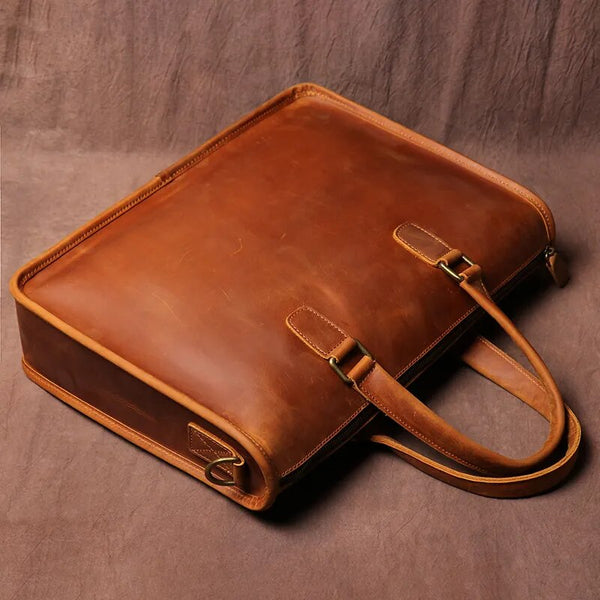
crazy horse leather briefcase
A briefcase that combines sophisticated design and functionality to elevate your business scene. The texture deepens the more you use it, bringing dignity and reliability to your business style.
6. Leather care after color transfer - Preventing recurrence and restoring beauty
Appropriate care after removing color transfer is important not only to restore the beauty of leather products, but also to prevent recurrence. In this section, we will explain how to care for leather products to recover them after discoloration and maintain their long-term beauty.
6-1. Recovery care after color transfer treatment
After color transfer treatment, the leather may be dry or the surface finish may be damaged. Follow the steps below to restore the condition of your leather.
- Completely dry: Dry naturally in a well-ventilated place for at least 24 hours until the water and solvent used for cleaning are completely dry.
- Status check: After drying, check the condition of the leather. Check to see if it has become dry and hard, and if there are any uneven colors.
- conditioning: Apply a thin and even conditioner suitable for the type of leather to restore nutrition and flexibility to the leather. especiallycrazy horse leatherBy using a special conditioner, you can restore its unique texture.
- Ensuring penetration time: Leave on for 6 to 12 hours to allow the conditioner to fully penetrate into the leather.
- Removal of excess conditioner: Gently polish with dry soft cloth to remove conditioner left on the surface.
- finishing polishing: If necessary, polish with a leather polishing cloth to restore the natural luster.
The science of conditioning
There are three levels of effect that conditioners have on leather. First, it penetrates between the leather fibers to restore flexibility. Next, antioxidant ingredients slow down the deterioration of the leather. Finally, a thin protective film is formed on the surface to inhibit future dye elution. These effects allow leather products to regain their original texture and strength after color transfer.
6-2. Color restoration and uniformity
Color transfer treatments may cause the leather to become lighter or uneven in color. Let's restore the color using the following method.
In case of slight fading
- Using colored conditioners: By using a colored conditioner that matches the color of your leather, you can make minor fading less noticeable.
- Utilization of oil: Especially for dark colored leather, you can restore the deep color by applying a thin layer of nature oil or mink oil.
- step-by-step approach: Don't try to go back to the dark color all at once, layer it thinly several times to get a natural finish.
In case of noticeable uneven color or discoloration
- Special leather dye: If the color is partially lost, you can repair it with a leather dye touch-up kit. Be sure to choose a product that matches the type of leather.
- Request to specialty store:luxurycrazy horse leather productsYaGenuine leather productsIn this case, we recommend that you consult a professional repair shop.
Professional technique: spot dyeing method
For color restoration in small areas, a cotton swab or sponge applicator can be used for detailed work. The key to a natural finish is to mix the dye dilutely and layer it little by little while matching the surrounding color. Before starting work, protect the surrounding area with masking tape to prevent it from sticking out.
6-3. Long-term color transfer prevention strategy
For leather products that have experienced color transfer, it is important to continue to take measures to prevent it from happening again.
regular care routine
Establishing the following care cycle will help prevent color transfer over time:
- daily care: After use, wipe gently with a dry cloth to remove dust and dirt.
- weekly care: Use a special leather cleaning wipe to keep the surface clean about once a week.
- monthly care: Moisturize with a light conditioner once a month.
- Seasonal care: Apply waterproof spray at the change of seasons (3-4 times a year) to renew the protective layer.
- annual care: Perform a comprehensive deep cleaning and conditioning once a year. especiallybusiness bagThis is important for products that are used frequently.
Innovative storage methods
Proper storage is also important to prevent color transfer:
- Ventilated storage: Store in a dustproof cover or non-woven bag to avoid contact with other leather products or clothing.
- Ideas for maintaining shape: Stuff the inside of the bag with cushions or paper to prevent it from losing its shape.
- environmental management: It is ideal to avoid direct sunlight and store in an environment with humidity of 40-60%. Avoid excessive use of dehumidifiers and desiccants as they will dry out the leather.
- Separation of different colored leather products: In particular, storing dark and light colored leather products separately will prevent color transfer during long-term storage.
Precautions: Long-term storage of leather products
If your leather item will not be used for more than 3 months, please thoroughly clean and condition it and protect it with a waterproofing spray before storing it. In addition, even during long-term storage, you can prevent the leather from deteriorating by taking it out once every two to three months to improve ventilation and performing light conditioning as necessary.
By practicing these measures, leather products that have experienced color transfer can regain their beauty and be used for a long time. Leather products are materials that become beautiful over time with proper care. especiallycrazy horse leatherEven after overcoming the problem of color transfer, high-quality leather such as leather can be nurtured to a rich texture with proper care.
7. Frequently asked questions and solutions
We have summarized the questions and answers that many people have regarding color transfer on leather products. By knowing how to deal with specific situations, you will be able to deal with various color transfer problems.
Q1: My leather bag got wet in the rain and the color stained my clothes. Is there any immediate workaround?
A: If the dye is leached by moisture from rain, the following first aid measures may be effective:
- First, immediately separate the bag and clothing.
- Immediately absorb moisture from the side of the bag with a dry cloth and let it dry naturally in a well-ventilated place. Do not use heat such as a hair dryer.
- On the clothing side, immediately dampen the affected area with cold water and pat dry with a towel. It is important not to rub at this point.
- Quickly remove color transfer by using a stain remover or neutral detergent appropriate for the clothing material.
- Once the bag is completely dry, lightly clean the surface with a leather cleaner, moisturize with a conditioner, and then apply a waterproofing spray to prevent it from happening again.
especiallycrazy horse leather productsIt is important to take daily waterproofing measures, as the dye tends to dissolve due to moisture from rain.
Q2: Is there a way to remove the color from denim that has transferred to the leather seats of my car?
A: Color transfer from denim to car leather seats is a very common problem. You can work around it in the following ways:
- Dedicated leather cleaner: It is safest to use an automotive leather seat cleaner. Apply according to product instructions and wipe in gentle circular motions.
- mild soapy water: If you don't have a specialized cleaner, try a diluted water solution of pH-neutral soap. Apply the foamed solution to a soft cloth and wipe gently. Then wipe off the soap with a clean damp cloth and remove all moisture with a dry cloth.
- magic cleaner: Lightly dampening a melamine foam type cleaner with water and rubbing gently may be effective. However, test it on an inconspicuous area before trying it out.
- Preventive measures: To prevent future color transfer, we recommend using light-colored towels or special seat covers when driving while wearing denim.
Q3: The color transferred from my Crazy Horse leather wallet to other leather products. Can it prevent color transfer between the same materials?
A: Color transfer occurs even between the same leather products. Leathers with a high oil content, such as crazy horse leather, are especially prone to color transfer to other leather products.
- Removal of color transfer: If the affected leather product is brightly colored, gently wipe it off with a leather cleaner. Stain removers made specifically for leather are also effective.
- Processing of both products: It is important to properly care for both the wallet that has undergone color transfer and the product that has undergone color transfer. Use a suitable conditioner for each, then protect with a waterproofing spray.
- Improved storage methods: Leather products of different colors, especially a combination of dark and light colors, can be stored separately or with a non-woven or soft cloth between them to prevent color transfer.
- regular maintenance:crazy horse leather productsCare with a special conditioner every 3 to 6 months to prevent excess oil and dyes from leaching out.
Q4: If the color transfers to white leather products, can it be completely restored to its original color?
A: Color transfer to white or light-colored leather products is one of the most difficult cases to deal with.
- The importance of immediate response: It is very important to deal with color transfer as soon as you discover it. Over time, the dye penetrates deeper into the leather fibers and becomes more difficult to remove.
- Special white leather cleaner: Use a cleaner or cleaning kit specifically designed for white leather. These usually contain bleaching ingredients that are safe for light-colored leather.
- step by step cleaning: Don't use strong cleaners all at once. Start with a neutral leather cleaner, and if that doesn't work, gradually move to stronger cleaners.
- professional restoration services: For expensive white leather items, a professional restoration service is the best way to restore them to their original condition. Professionals can use special techniques and products to minimize color transfer.
- The importance of prevention:whiteGenuine leather productsIt is especially important to perform regular waterproofing and antifouling treatment from the time of purchase. Also, be careful to avoid contact with dark-colored clothing and items.
realistic expectations
If a dark color transfers to white or light-colored leather, it may be difficult to completely restore it to its original condition. It is important to understand that slight color changes may remain.
Q5: Is there a difference in how to deal with color transfer between PU leather products and genuine leather products?
A: Yes,PU leather (synthetic leather)andgenuine leatherSince the characteristics of the materials differ, there are also differences in how to deal with color transfer.
| Points of action | PU leather | genuine leather |
|---|---|---|
| cleaning products | Neutral detergents and household cleaners can also be used | Always use a cleaner made specifically for leather |
| use of water | Relatively resistant to water, so it can be wiped with water | Avoid excessive moisture and only wipe lightly with a damp cloth. |
| Alcohol | Small amounts of alcohol (such as alcohol wipes) may be available | Avoid using alcohol as it can dry out and damage the leather. |
| conditioning | No need (or use care products for synthetic leather) | Conditioning is required after cleaning |
| preventive care | Lightly use waterproof spray for PU | Requires regular conditioning and waterproofing |
PU leather is generally easy to maintain, but low-quality ones may fade easily. On the other hand, genuine leather can maintain its beauty for a long time with proper care, but requires more delicate handling.
Q6: Is there a way to 100% prevent color transfer?
A: Although it is difficult to completely prevent color transfer, the risk can be minimized by combining the following measures:
- Proper initial processing: Before using new leather products, remove excess dye and protect with conditioner and waterproofing spray.
- regular maintenance: Get into the habit of conditioning and waterproofing every 3 to 6 months.
- Precautions for usage environment: Avoid contact with light-colored clothing, especially in rainy weather or in hot and humid environments.
- Utilization of protective cover: Especiallyshoulder bagYarucksackBy using a protective cover on the strap part, you can prevent color transfer to clothing.
- proper storage: When not in use, store it in a non-woven fabric cover to prevent it from coming into contact with other products.
- Selection of high quality products: High-quality leather products have excellent dye retention and tend to have a low risk of color transfer.crazy horse leatherProper care at the initial stage will reduce color transfer in the long term.
professional advice
``The trick to using leather products beautifully for a long time is to perform regular care, even if it's just a small amount, with high frequency.Especially in the early stages when the risk of color transfer is high, regular maintenance regardless of how often you use it can greatly reduce problems later on.''
8. Summary: To prevent color transfer problems on leather products
With the proper knowledge and countermeasures, color transfer on leather products can be effectively prevented, and even if it occurs, it can be dealt with appropriately. To summarize the content explained in this article, the following points are particularly important.
Understand the basic mechanism of color transfer
- Color transfer is mainly caused by ``elution of the dye due to moisture or sweat,'' ``physical transfer due to friction,'' and ``insufficient fixation of the dye.''
- The risk of color transfer differs depending on the type of leather and finishing method, and you should be especially careful with dark-colored new leather products.
- Environmental factors (temperature, humidity, sunlight, etc.) also greatly affect the occurrence of color transfer.
Appropriate care is important depending on the type of leather
- crazy horse leather: Specialized care products and initial treatment that take into account the waxing of the surface are effective.
- Genuine leather (aniline leather, etc.): Regular conditioning and waterproofing are the keys to preventing color transfer.
- PU leather: Relatively easy to maintain, but care must be taken as low-quality products are prone to color transfer.
- canvas mixed products:Leather parts and fabric parts require different care.
Prevention is the best measure
- Initial treatment when new (removal of excess dye, conditioning, waterproofing) is the most effective preventive measure.
- Establish a regular maintenance cycle that matches the frequency of use and environment.
- By taking care of your skin according to the changing seasons (increasing the frequency in the summer, focusing on moisturizing in the winter, etc.), you can prevent color transfer throughout the year.
- Proper storage methods (e.g. ventilation, separation of different colored products) are also important.
Step-by-step response when color transfer occurs
- Treating color stains as soon as you discover them increases the chance of complete removal.
- Choose a cleaning method that is appropriate for the type of leather and use strong solvents only as a last resort.
- After cleaning, it is important to perform appropriate aftercare (conditioning, waterproofing) to restore the condition of the leather.
- If you cannot remove it completely, consult a professional or consider ways to restore the color.
How to have a long relationship with leather products
Leather products are materials that, with proper care, will grow more beautiful the more you use them. Problems with color transfer can be overcome with appropriate knowledge and countermeasures. especiallycrazy horse leatherAlthough there is a risk of color transfer in the early stages of the product, with proper care it will develop into a one-of-a-kind texture that will last for many years. We hope that this article will be of use to you as a first step towards building a wonderful relationship with leather products.
With proper care and preventive measures, you can prevent color transfer problems on your leather products and continue to use your precious leather products beautifully for a long time.
Related products
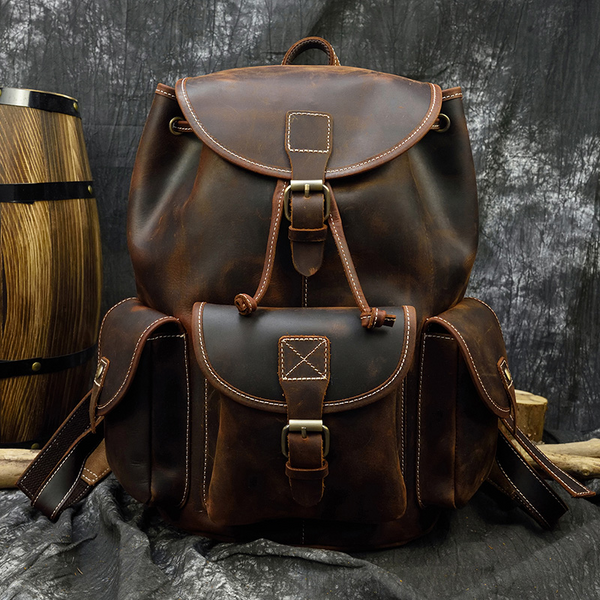
Crazy horse leather rucksack_B
This is a large capacity rucksack with a height of 41cm x thickness of 18cm x width of 31cm. You can easily store a 14-inch laptop, A4-sized magazines, a folding umbrella, etc. There are two storage spaces inside: a main pocket and a sub pocket. On the outside, there is one large pocket on the front and sub-pockets on the left and right sides for storing small items, so the design is not only space-efficient but also highly convenient.
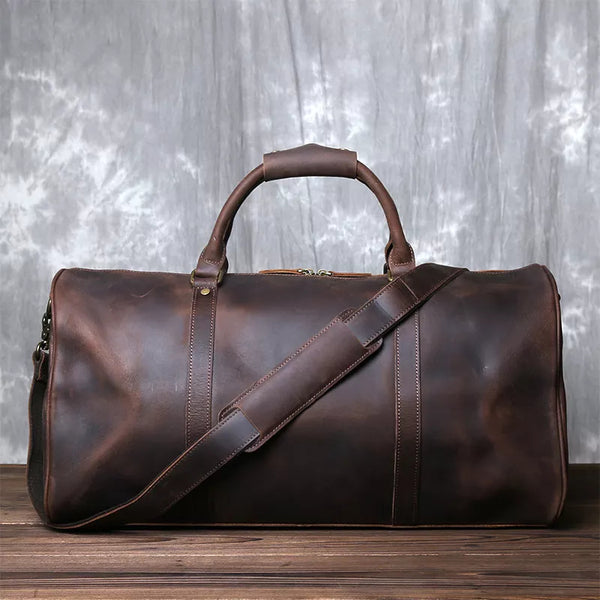
Crazy Horse Leather Large Capacity Travel Bag_E
An authentic travel duffel that combines style and practicality. Introducing a large-capacity travel duffel bag made from 100% genuine cowhide leather that combines the sophisticated quality of Crazy Horse leather with high-quality design. This is an attractive item suitable for men and women who are looking for authenticity, and for those who love luxury goods.
If you are looking for high quality leather products, check out cowmono's material collection.
- Click here for Crazy Horse leather products - Authentic leather products that can be enjoyed over time.
- Click here for genuine leather products - Products that take advantage of the texture of high-quality cowhide leather
- Click here for canvas products - A practical product that is both durable and lightweight
- Click here for PU leather products - A product that allows you to enjoy the texture of leather at an affordable price
Search by usage
- Click here for the backpack - Suitable for a wide range of occasions, from business to casual
- Click here for business bags - Elevate your business scene with sophisticated design
- Click here for shoulder bag - Functional design perfect for everyday use
- Click here for travel bag - A large-capacity bag perfect for traveling companions.
Author information

Author name: Yama (cowmono Owner)
Occupation: Representative of slow lab
Engaged in sales and marketing for more than a quarter at domestic and overseas apparel companies. He has a deep knowledge of fashion, sports, outdoor activities, and subculture.